
Evidence-led guide
Compare study-abroad destinations with a programme-first worksheet
Country rankings and lifestyle videos are discovery material. A high-cost education decision needs programme-level evidence and a risk-adjusted budget.
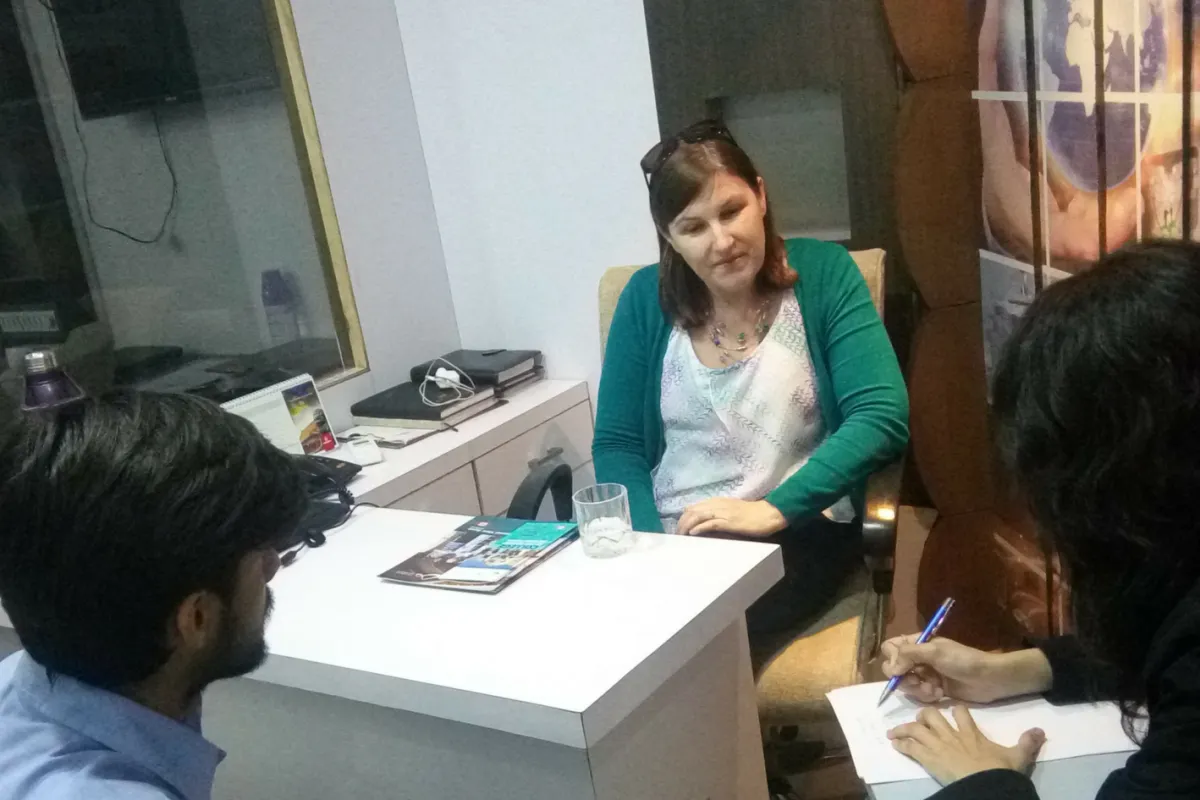
Score the programme, not the slogan
For each option, record curriculum fit, award level, institution status, teaching language, duration, practical learning and progression. A country with an attractive headline cost may still be a poor choice if the programme does not advance the student’s goal.
Recognition and future use
Identify who awards the qualification and where it must be used: further study, a regulated profession or general employment. Ask the relevant authority about recognition when necessary. Agent assurances and university marketing cannot replace that check.
Budget the downside case
Add application, tuition, deposits, documents, insurance, immigration, travel, housing deposits, monthly costs, study materials and contingency. Model exchange-rate movement and delayed work income. Do not use possible part-time work as the only funding plan.
Compare evidence quality
Strong evidence
Official programme pages, regulator/government sources, written institution confirmation and complete payment terms.
Weak evidence
Undated screenshots, agent-only claims, anonymous testimonials, “guaranteed” outcomes and national averages with no method.
Worked shortlist
A student comparing a lower-cost programme in one country with a more expensive programme elsewhere should calculate the value of curriculum, award recognition, internship structure and realistic total cost. If the first option has unclear recognition, the lower headline fee does not make it safer. If the second requires unmanageable debt, stronger recognition does not make it financially responsible. The final judgment must balance fit, evidence and downside.
Use vetoes before weighted scores
Some failures should eliminate an option rather than be averaged away. Examples include an unverified institution, an award that does not support the intended regulated profession, unaffordable funding without a credible reserve, the wrong teaching language, or an immigration condition the applicant cannot meet. Mark these as vetoes.
For the remaining programmes, score curriculum fit, recognition confidence, total cost, funding resilience, student support, location, practical learning and progression. Add the source and date beside every score. A number without evidence creates false precision; a score range or “unknown” is often more honest.
Questions to send every institution
Ask each institution the same core questions: exact award and awarding body, teaching/assessment language, entry interpretation for your qualification, complete tuition schedule, deposit and refund rules, accommodation support, practical-learning structure and the official contact for international applicants. Ask for links rather than promotional attachments where possible.
Compare the quality of answers as well as the content. A clear, consistent, source-linked response reduces uncertainty. Conflicting answers should be resolved before a non-refundable payment. Record the staff role and date without publishing private correspondence.
Next action
Create a one-page worksheet for no more than three programmes. Link every claim to a source, mark unknowns, then contact institutions with the same questions. Use counselling to review evidence, not to replace it.